
Vision
Hëda Blog
Learn more about recruiting care in our blog!

Recruiting optometrists and ophthalmologists is challenging, but retaining them is often even harder. Employers who focus solely on salary quickly discover that money does not guarantee loyalty. According to the Review of Optometry Workforce Survey, nearly 40% of optometrists who changed jobs in the last five years cited culture and work-life balance as their primary reasons — not compensation. For vision recruiters, the conversation has shifted: retention strategies must address the whole employment experience, from professional growth to staff support.

Telehealth has transformed nearly every corner of healthcare, and optometry is no exception. Once considered experimental, teleoptometry is now a mainstream service in both urban and rural settings. According to the American Optometric Association (AOA), more than 40% of practices integrated some form of telehealth by 2025, whether for triage, chronic disease management, or follow-up care. For employers, teleoptometry is not just a clinical innovation — it is a recruiting and retention strategy. Candidates increasingly ask about telehealth integration, hybrid schedules, and digital platforms. For recruiters, teleoptometry has become a central theme in conversations with both employers and candidates.

Residency and fellowship programs are the engines of the future vision care workforce. They produce the next generation of optometrists and ophthalmologists, many of whom will shape the industry for decades.

Ophthalmology subspecialists — retina, glaucoma, and cornea — are some of the most sought-after clinicians in medicine. With the U.S. population aging and chronic conditions like diabetes on the rise, demand for these subspecialists is expected to soar in the next decade.

Diversity, equity, and inclusion (DEI) have become central themes across healthcare, and vision care is no exception. As optometry and ophthalmology practices adapt to serve increasingly diverse patient populations, the makeup of their clinical teams matters more than ever. Diverse teams improve patient trust, broaden cultural competence, and foster innovation. Yet many practices struggle to build inclusive workforces. This is where vision recruiters play a pivotal role. Recruiting firms specializing in optometry and ophthalmology are uniquely positioned to identify, attract, and support diverse candidates — helping employers not only meet DEI goals but also strengthen their culture and reputation.

The conversation around recruiting in optometry and ophthalmology has shifted. Compensation will always be important, but in 2026, candidates are equally — if not more — focused on work-life balance. Optometrists face growing patient volumes, administrative burdens, and increasing expectations to deliver high-quality care. According to a Medscape lifestyle survey, nearly 50% of ODs and ophthalmologists report symptoms of burnout, citing long hours and lack of flexibility as primary drivers. For employers, the ability to offer balance is now a competitive advantage. For vision recruiters, conversations about schedules, flexibility, and culture are front and center.

The shortage of optometrists in rural America has become one of the most pressing challenges in healthcare recruiting. More than 15% of U.S. counties have no practicing optometrist, according to HRSA data. Patients in small towns and agricultural communities often travel hours for routine eye exams or urgent care. For employers, filling these vacancies is extraordinarily difficult. For vision recruiters, rural placements require creativity, persistence, and incentives that go beyond salary.

As the demand for eye care professionals continues to rise, competition for talent has never been fiercer. Employers in optometry and ophthalmology face not only a shortage of clinicians but also heightened expectations from candidates.
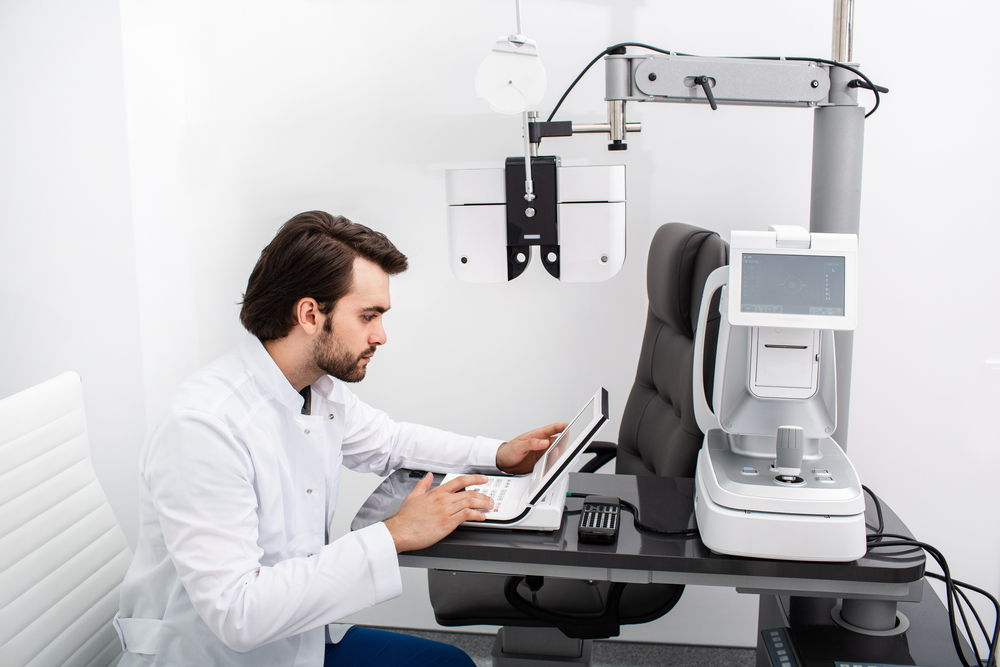
In 2026, technology has become one of the strongest levers in optical recruiting. For years, compensation was the headline factor in recruiting optometrists and ophthalmologists. Today, clinicians want more: they want to work in practices where they can deliver high-quality care using modern tools. From Optical Coherence Tomography (OCT) to artificial intelligence (AI) diagnostic platforms, teleoptometry, and integrated electronic health records (EHRs), access to technology now ranks alongside salary and culture as a top driver of employment decisions. For employers, investing in technology is not just about patient care — it is a direct investment in recruiting and retention. For vision recruiters, conversations about technology have become essential in positioning an employer’s value proposition.
Teleoptometry has shifted from a pandemic-era experiment to an established part of modern eye care. What began as an emergency measure has now evolved into a sustainable care model used by practices across the U.S. In 2025, more than 40% of clinics reported incorporating telehealth into their workflow, according to the American Optometric Association. For employers, this represents both an opportunity and a challenge. For clinicians, teleoptometry is no longer optional knowledge — it is a skill set that can differentiate candidates in a crowded recruiting market. Vision recruiters are finding that employers increasingly ask about telehealth experience, and candidates with hybrid care skills often have a competitive edge.
Our Values
Integrity and Transparency
Deep Industry Expertise
Strategic, Personalized Service
Commitment to Long-Term Relationships

Connecting exceptional professionals with organizations that value expertise, culture, and long-term success.
© 2026 Hëda. All rights Reserved. Accessibility Statement - Privacy Policy - Sitemap
Powered by:
